Barbara Jenner
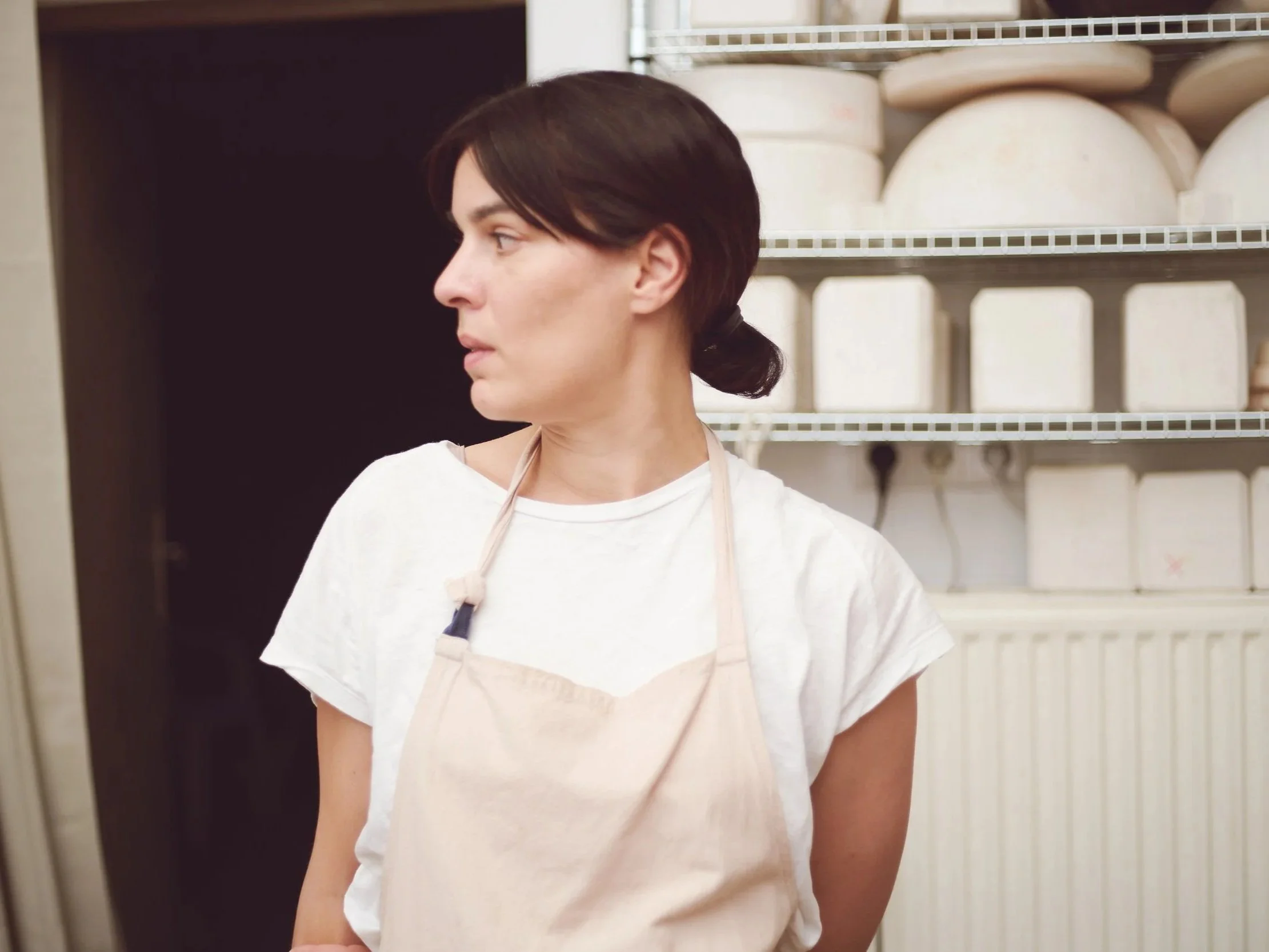
Please share a bit about yourself and your background. What led you to ceramics and how did OBAstudios come to life?
I originally studied tapestry at the Academy of Fine Arts in Vienna and later completed a PhD in Art History and Media Studies. So my background is very much rooted in art rather than traditional product design.
I came to ceramics late. What immediately interested me was the immediacy of the material. You have an idea, put it into practice, test it, and very quickly understand what works and what doesn't.
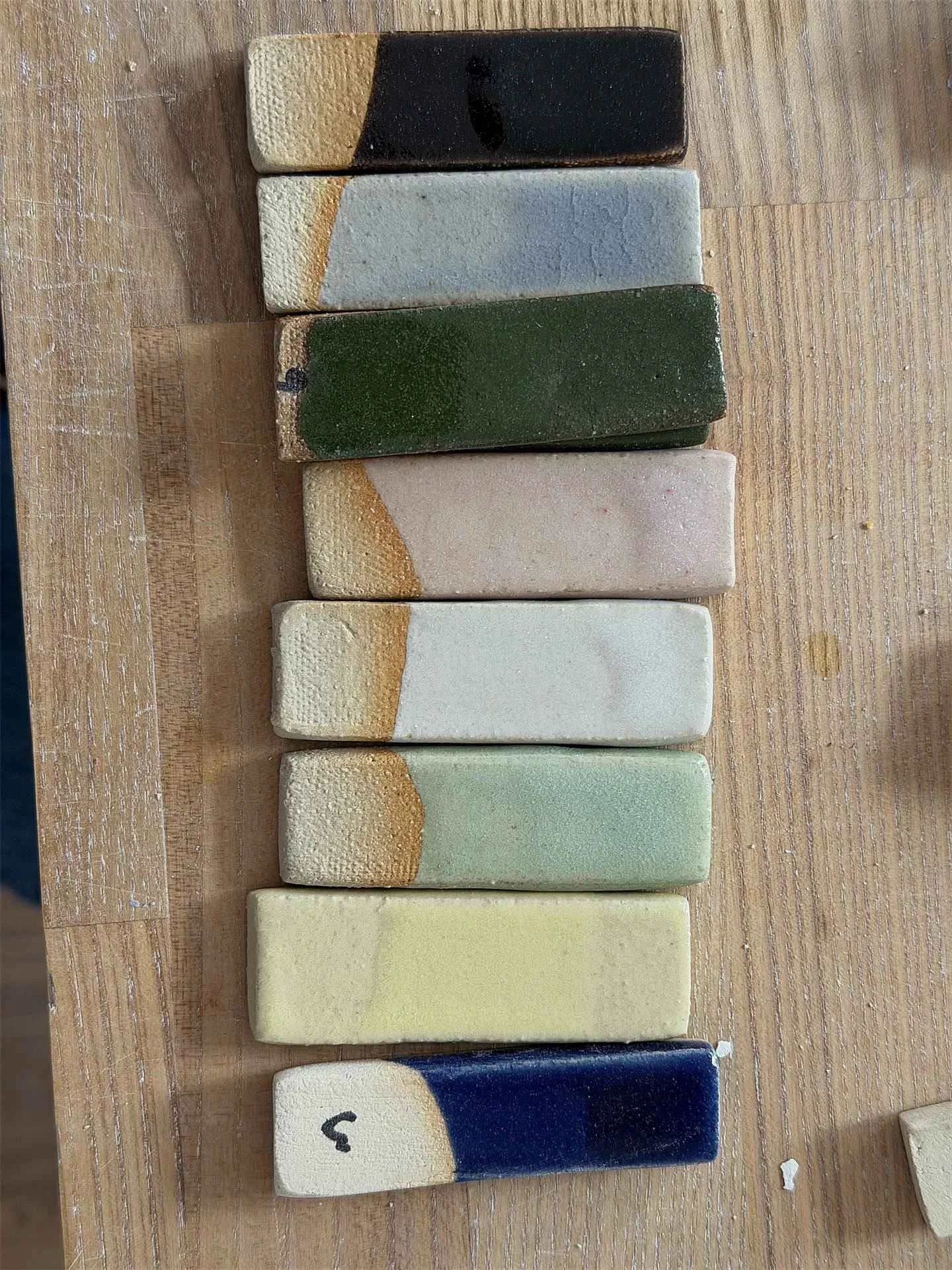
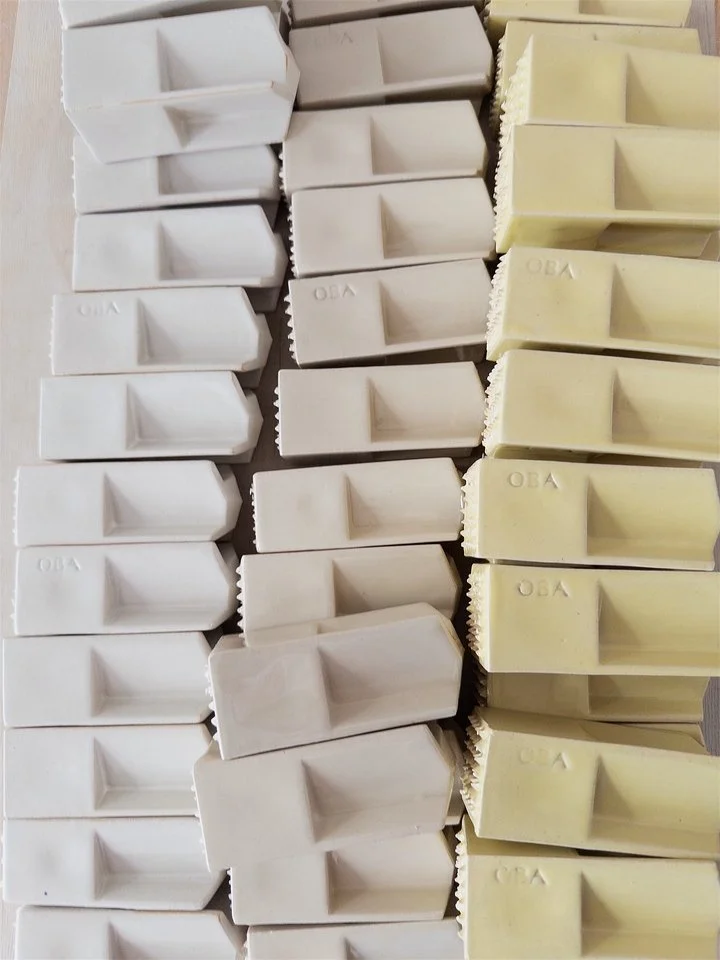
OBAstudios started with a soap dish, because mine wasn't working. The soap sat in its own water, dissolved, and the sink was sticky every morning. I waited for someone to make a better one. Eventually I made it myself. That has been the pattern ever since.
Your background combines art and art history. How has it shaped the way you think about design and the objects you create?
My background in tapestry influenced me more deeply than I initially realised. In tapestry, patterns, repetition, rhythm and negative space are fundamental. Today I work in three dimensions, but the questions remain the same. I rarely see an object in isolation. I consider its proportions, the space around it, and how it changes a room. But an OBAstudios object also has to work. And at some point composition and function stop being separate.
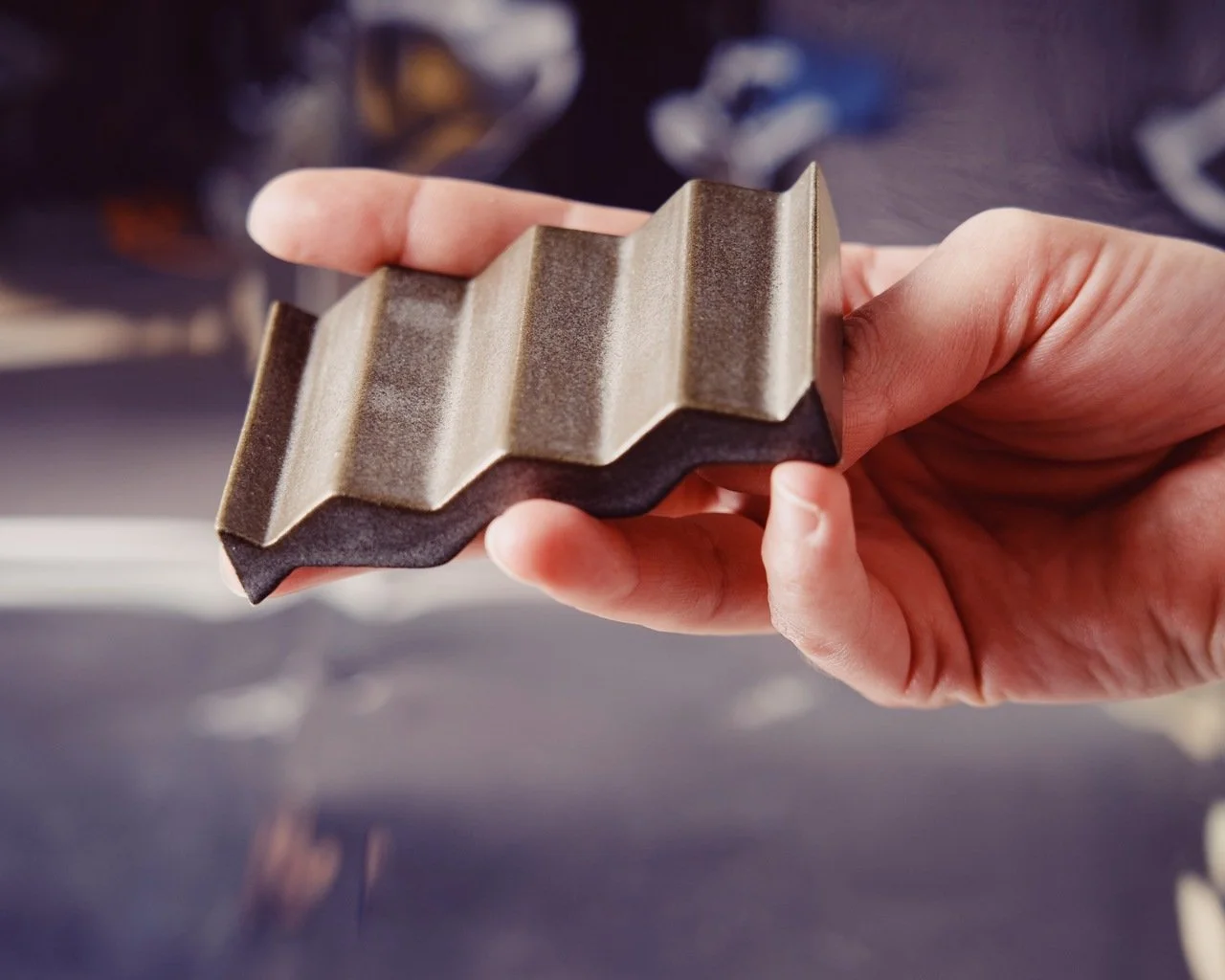
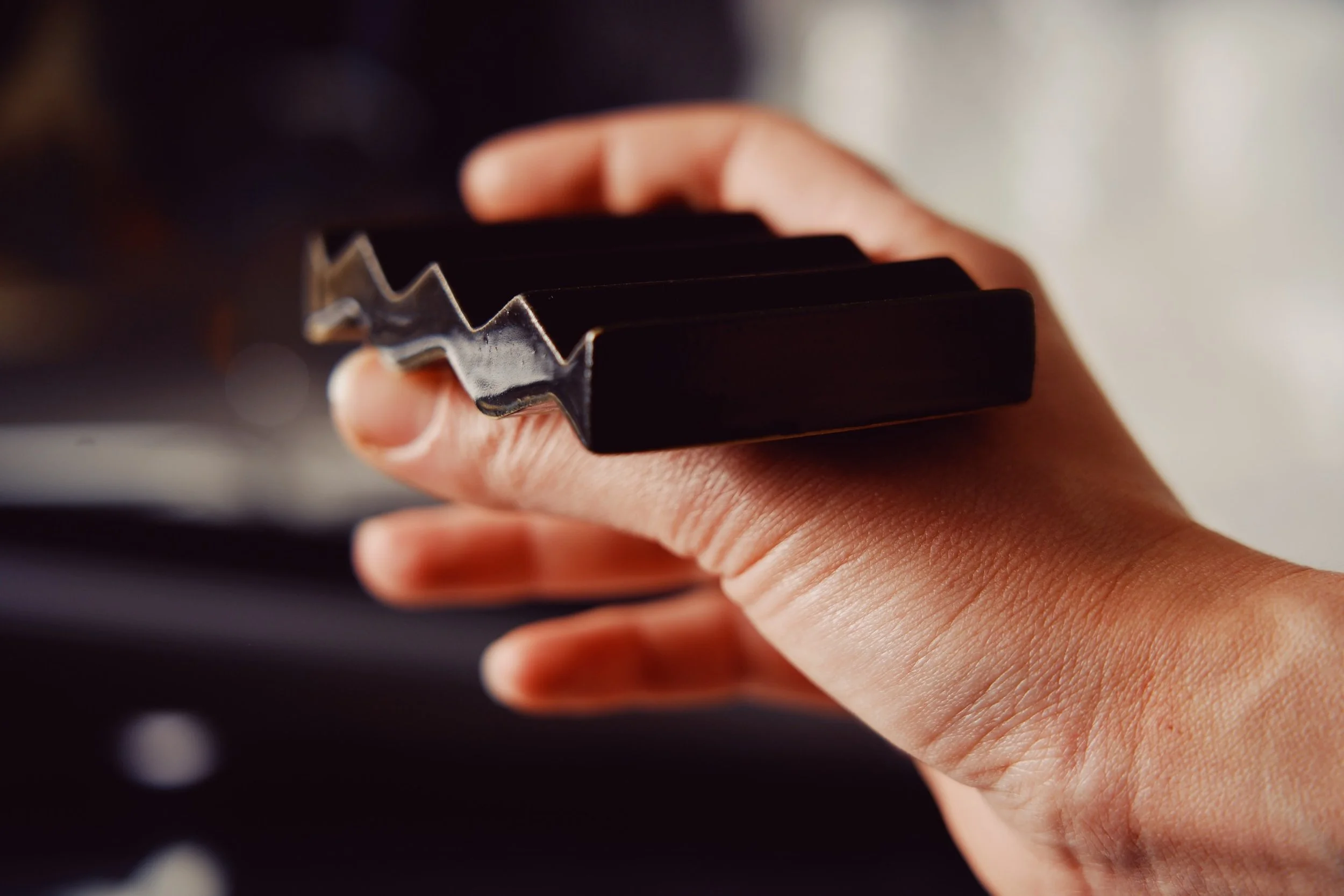
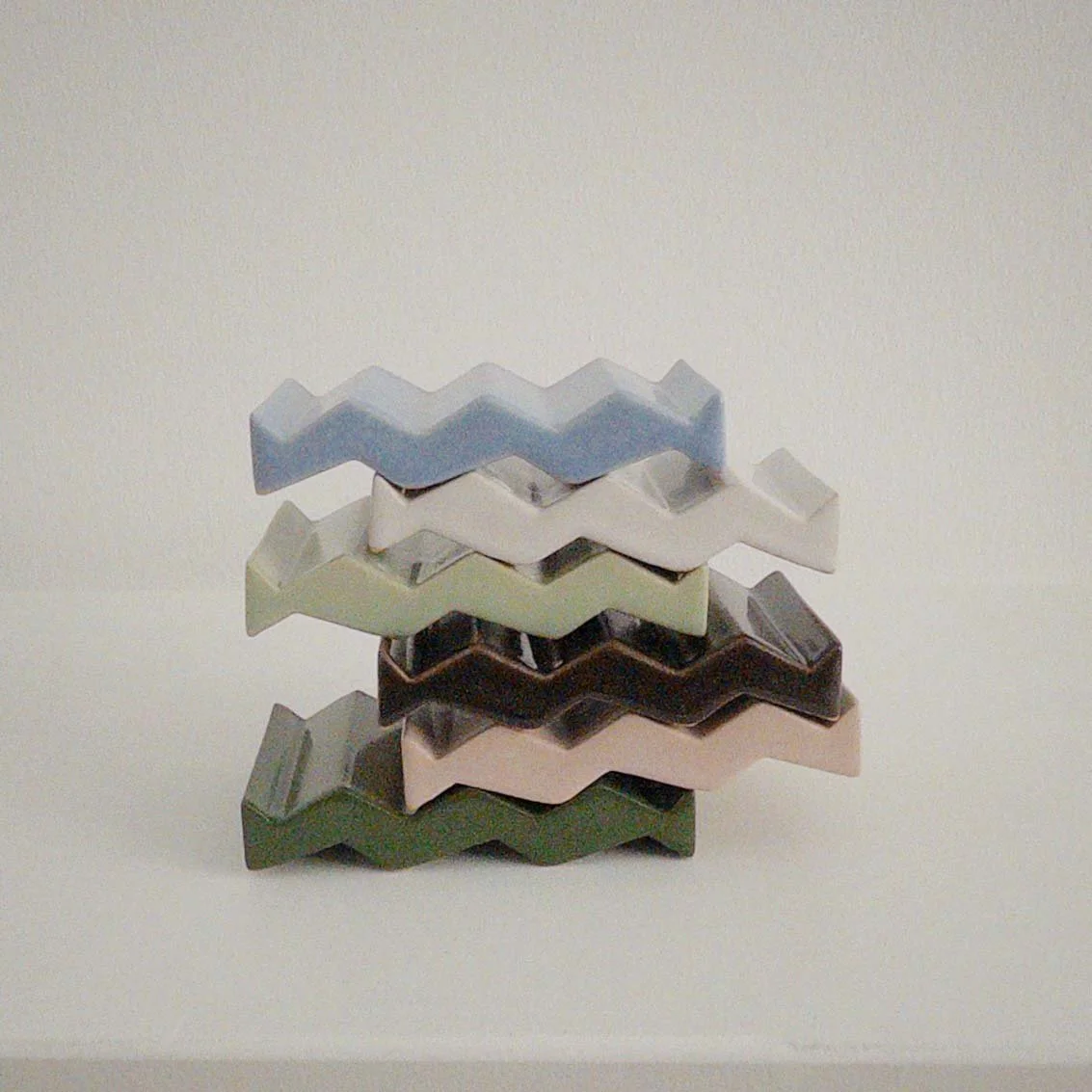
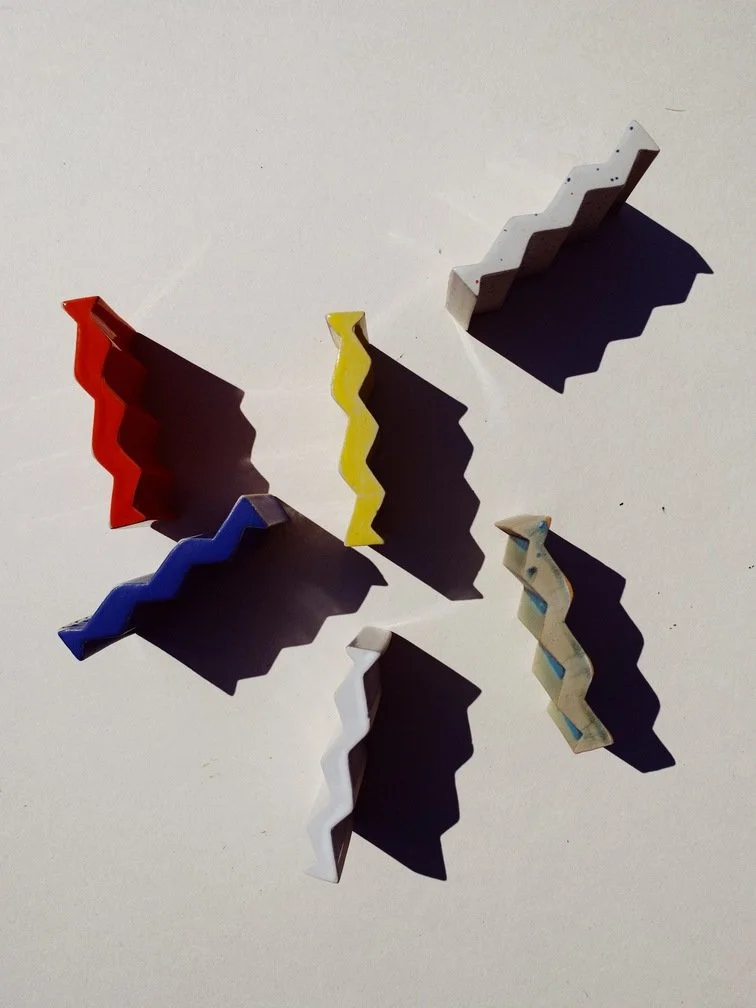
The ridged profile of the soap dish is repetition and negative space. It is also its entire function: it lifts the soap and allows air to circulate beneath it. That is the point I am looking for, where the functional solution is also what gives the object its character.
Your work is defined by clean forms, thoughtful functionality, and careful attention to detail. What influences continue to shape your approach to design?
I am influenced less by particular designers than by observing how people actually use things.
Many of my ideas start with something very ordinary: an object that doesn't work quite right, something that is unnecessarily complicated, or a small everyday frustration that has simply become accepted.
I like reducing that problem until I understand what the object needs to do. From there, the form often becomes clear.
Material is equally important. Ceramics has its own logic and its own limitations, and I don't try to hide those. Good design, for me, comes from finding a precise solution within those constraints.
Could you walk us through your process? How does an initial idea gradually develop into a finished product?
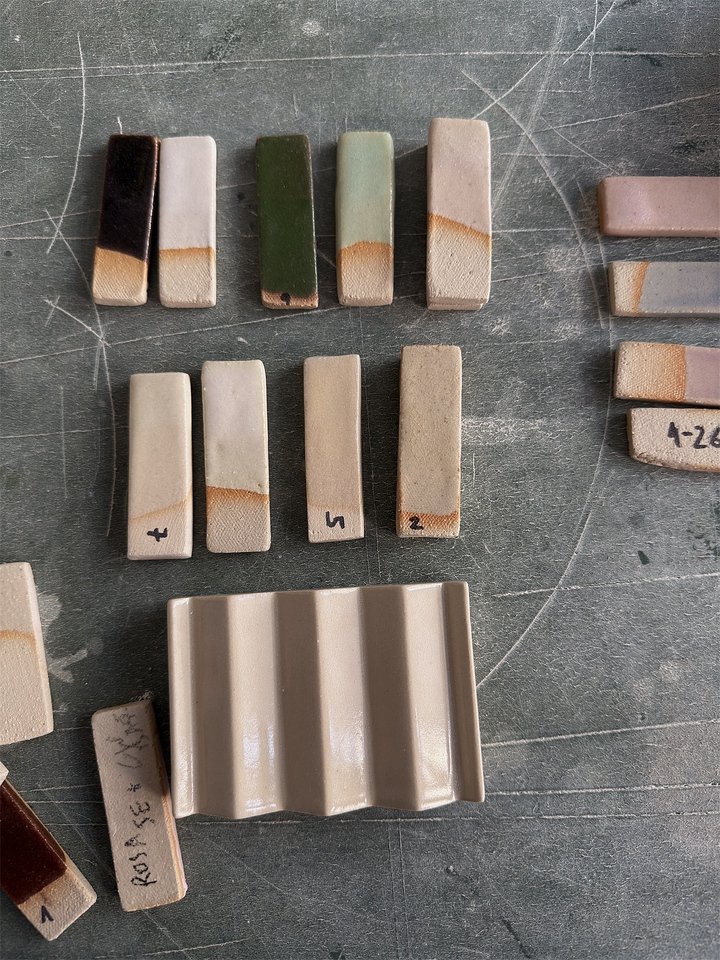
I start with a problem, not a drawing. First, I try to understand what isn't working and what the simplest possible solution might be. Then I make prototypes, often very quickly and by hand. I use them, change them, make another version and test again.
Only late in the process do I move towards precise dimensions and production. I don't like designing something perfectly on a computer before knowing whether it works in real life.
The process is repetitive: make, test, adjust, simplify. The finished object often looks obvious, but getting there takes a long time.
Your objects are designed to last for many years. What qualities do you believe give an object lasting value, and what do you hope people experience through living with your work over time?
I don't think longevity comes from making something visually neutral. An object can have a strong identity and still last. For me, lasting value comes from a combination of usefulness, good proportions, material quality and a form that isn't dependent on a short-lived trend.
I like objects that become part of someone's everyday life. You don't have to constantly notice them, but every time you use them, they work well and feel right. That kind of familiarity is what I hope for most.
Looking at contemporary design today, where do you think the greatest opportunity lies to encourage more thoughtful production and a deeper appreciation for well made objects?
We need to talk less about consuming "better" and more about consuming less. There is already an enormous amount of good design in the world. The interesting question is not how to produce more objects, but which objects are genuinely worth producing.
For designers, that means being more critical before something goes into production. Does it solve a real problem? Does it add something that is not already there? Can it be made responsibly and at a quality that justifies its existence?
And for customers, transparency helps. When people understand where something comes from, how it is made and why certain decisions were made, they can value an object differently.
Are there any new materials, ideas, or collaborations you are currently exploring that feel like a natural evolution of your practice?
At OBAstudios, I am currently developing new objects around a very simple question: does this make everyday life better?
I am working on ORLA, a small ceramic disc that turns a drinking glass you already own into a vase. And on trivets that hang on the wall when they are not in use. Both come from the same question: what is the least amount of object needed here?
For me, a new product has to earn its place. If it does not work well, it creates more effort, more frustration and eventually more waste.
How can people engage more closely with your work, whether through exhibitions, collaborations, or upcoming projects?
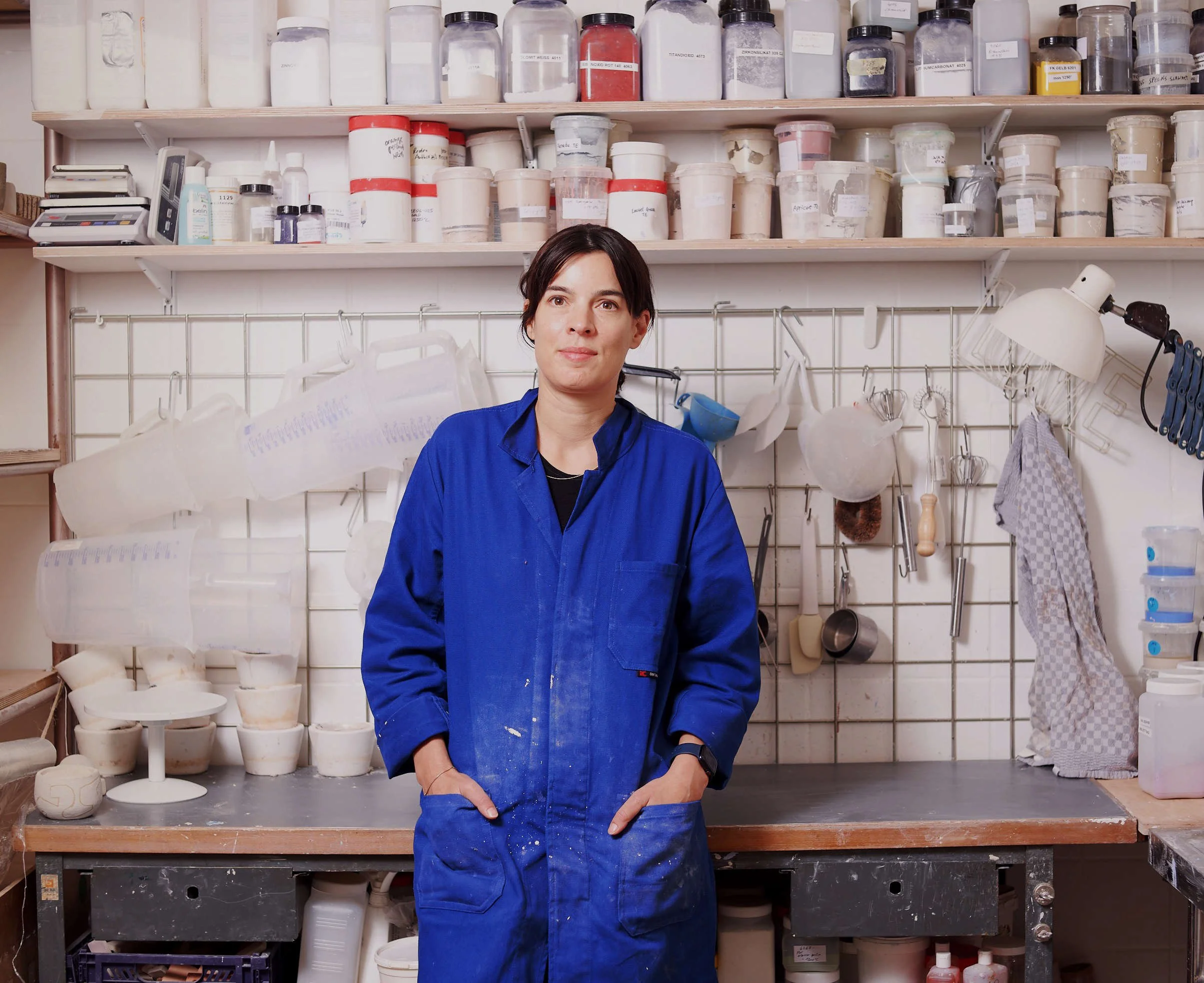
OBAstudios can be experienced online and in Berlin, where the workshop is the shop. There is no separate showroom. You see the objects where they are made, you can pick them up, and you can see what is currently on the shelf.
Alongside OBAstudios, I run Atelier von Ehren, my artistic practice. It includes one off pieces, vases, bowls and vessels shown in exhibitions, as well as courses in the studio. It follows a different logic from OBAstudios. Here, the object doesn’t have to solve anything. It can ask a question instead.
I am also increasingly interested in collaborations with interior designers, architects and other makers, especially where functional objects become part of a larger space.
Portraits by Hanna-Fuhrmann; all other images belong to Barbara.
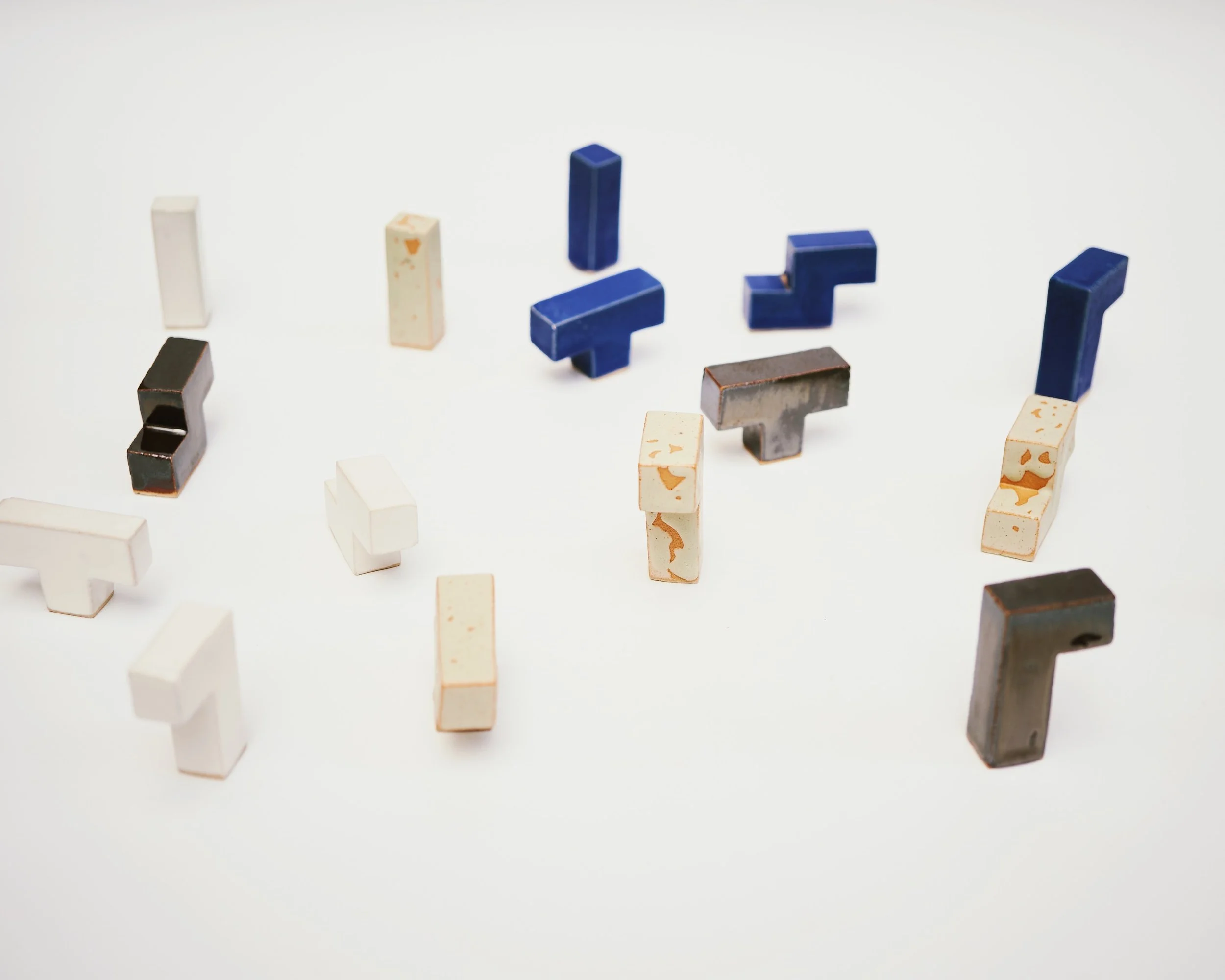
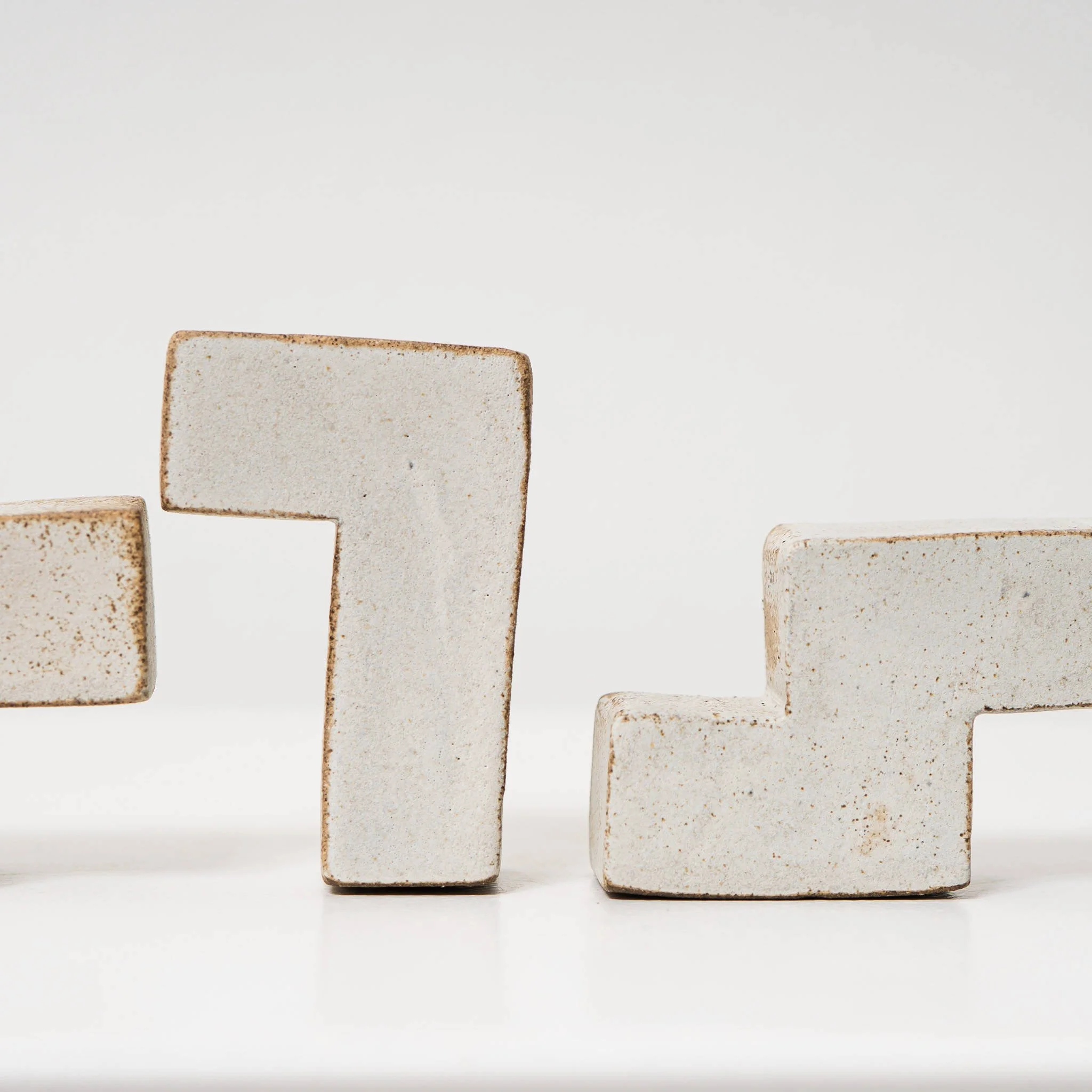
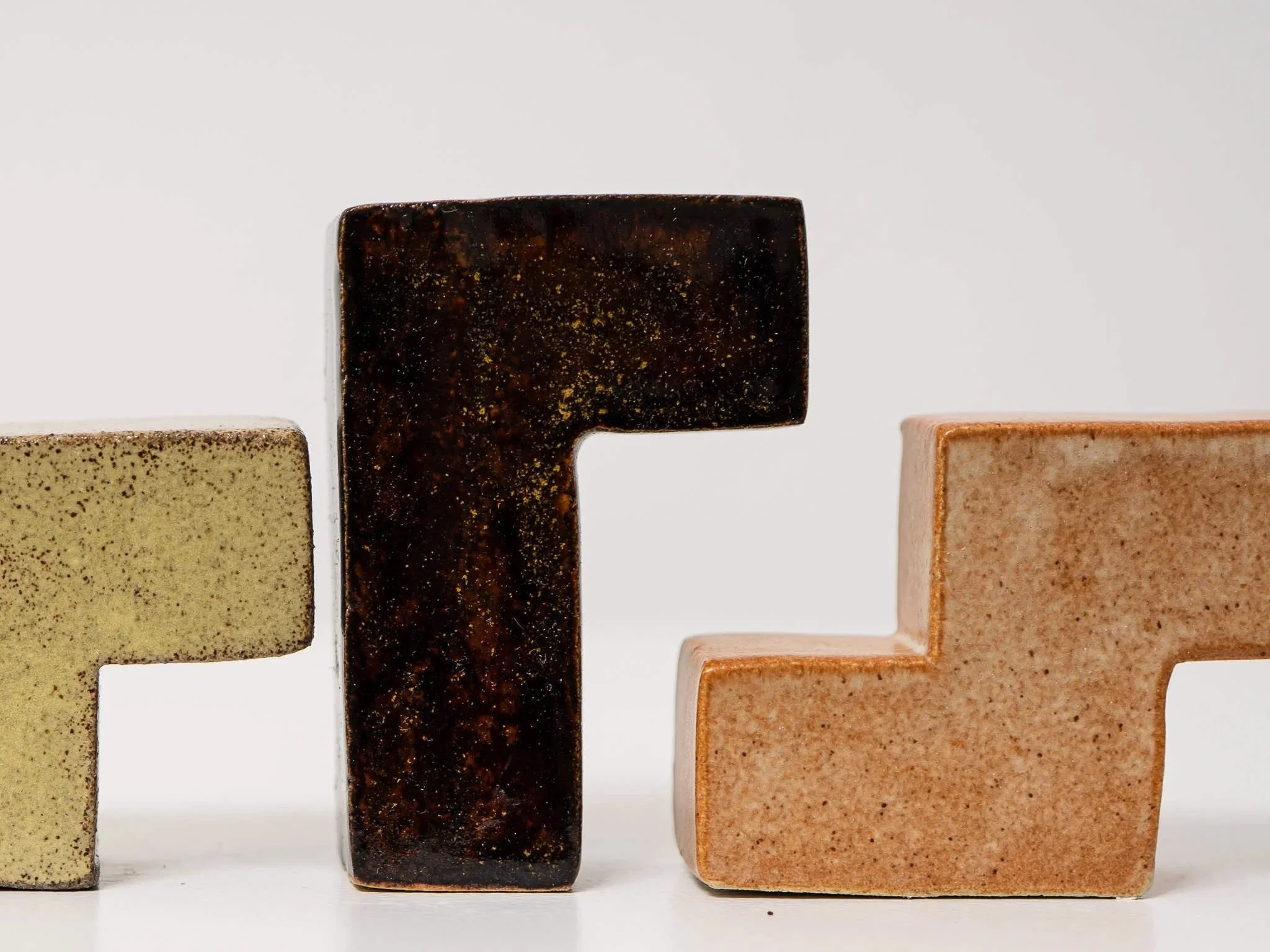
Handmade in Berlin, Germany this set of four wall hooks is made from glazed stoneware and arranged in geometric forms. The matt white surface highlights the shapes and allows the hooks to work as both functional storage and a graphic wall element. Each set includes screws and wall plugs.
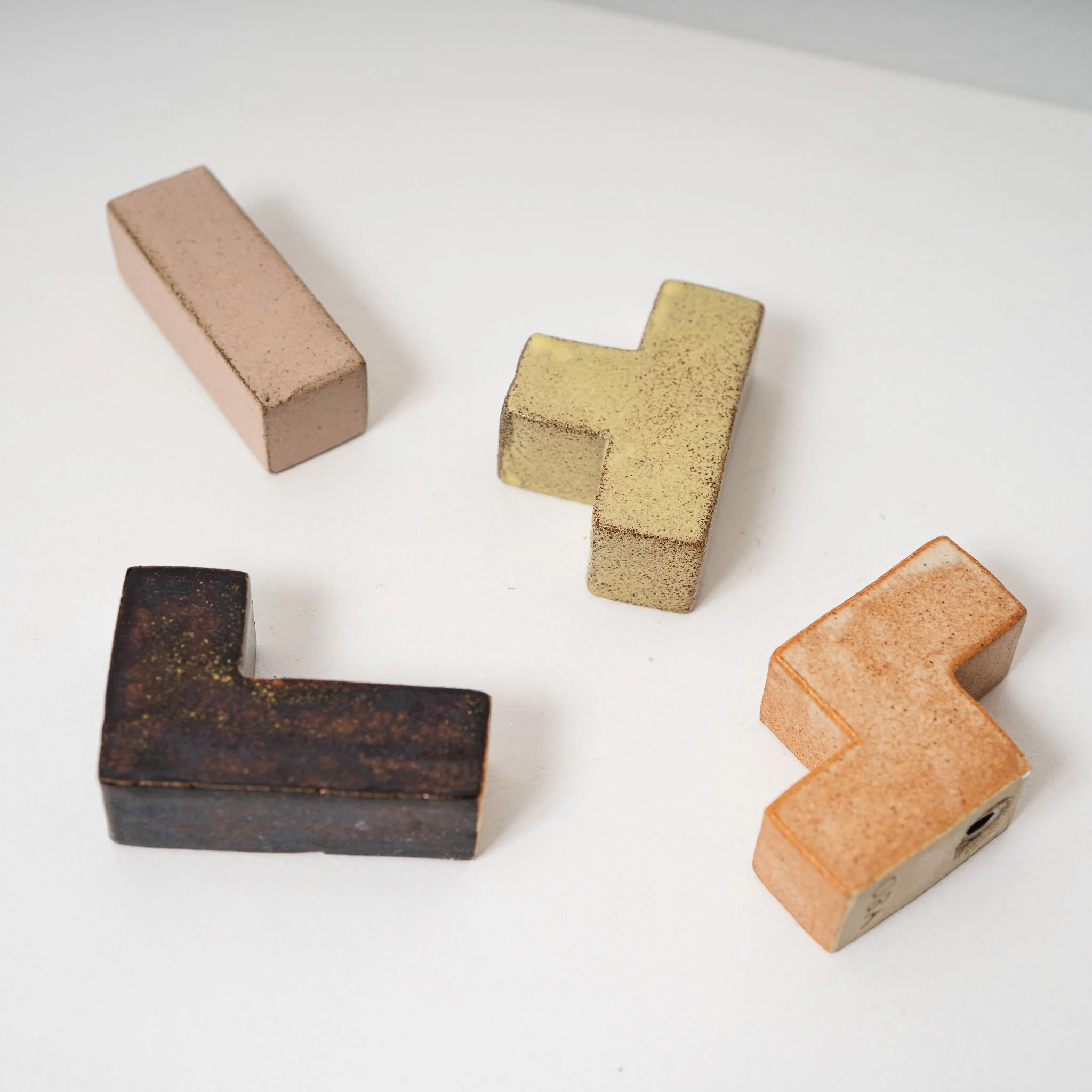
Handmade in Berlin, Germany this set of four wall hooks is made from glazed stoneware and arranged in geometric forms. Designed to combine practical storage with a decorative element, the hooks can be composed across the wall to create a graphic arrangement. Each set includes screws and wall plugs.
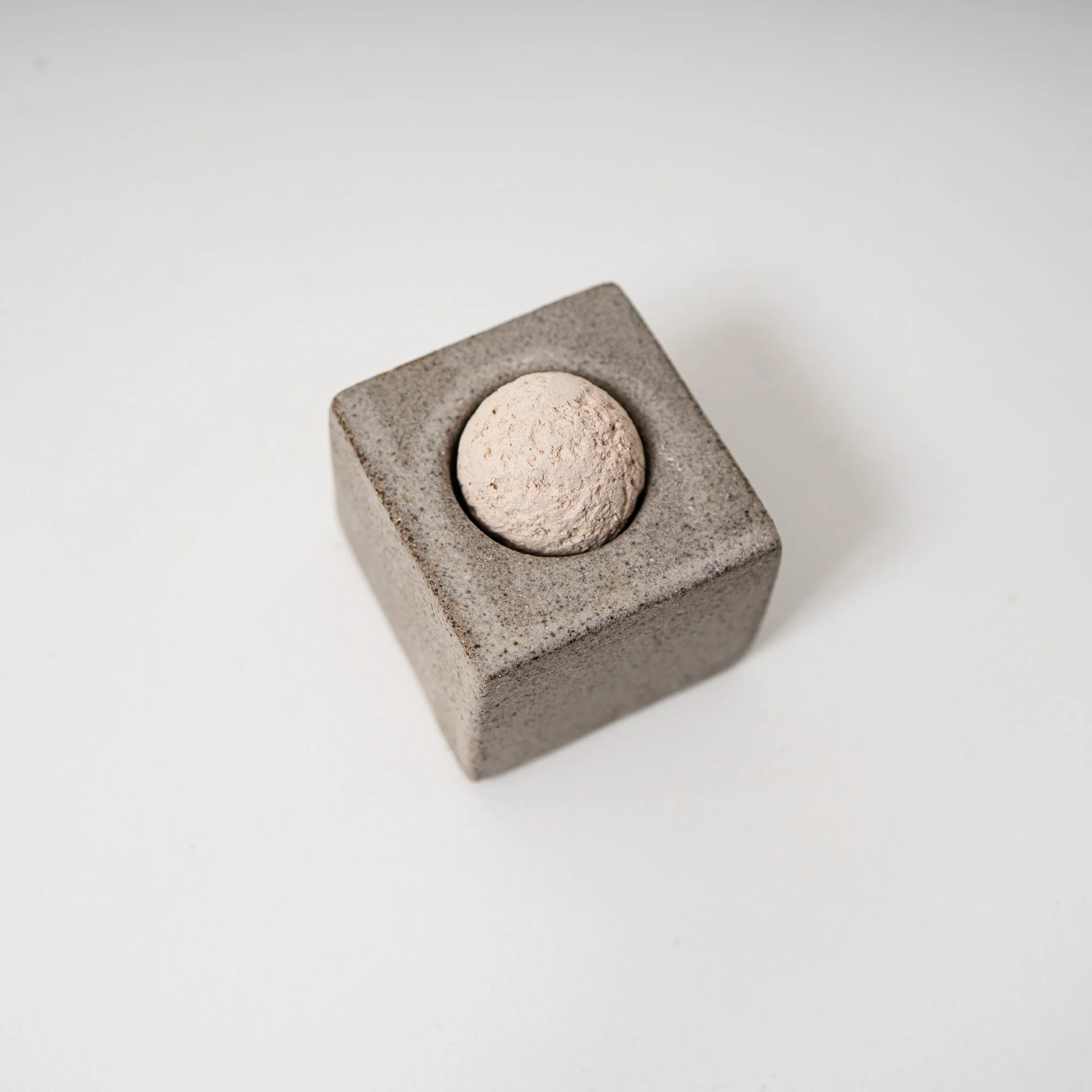
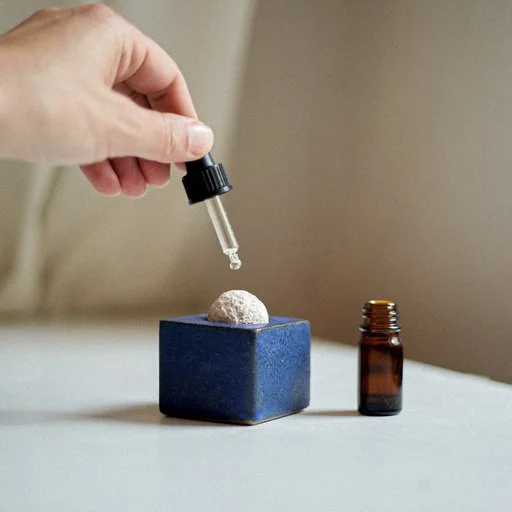
Handmade in Berlin, Germany this aroma diffuser combines a partly glazed stoneware base with a porous stoneware sphere. Designed for use with essential oils, the porous surface allows the oil to evaporate naturally without electricity, heat or flame. The natural stoneware finish emphasises the material quality of the piece.
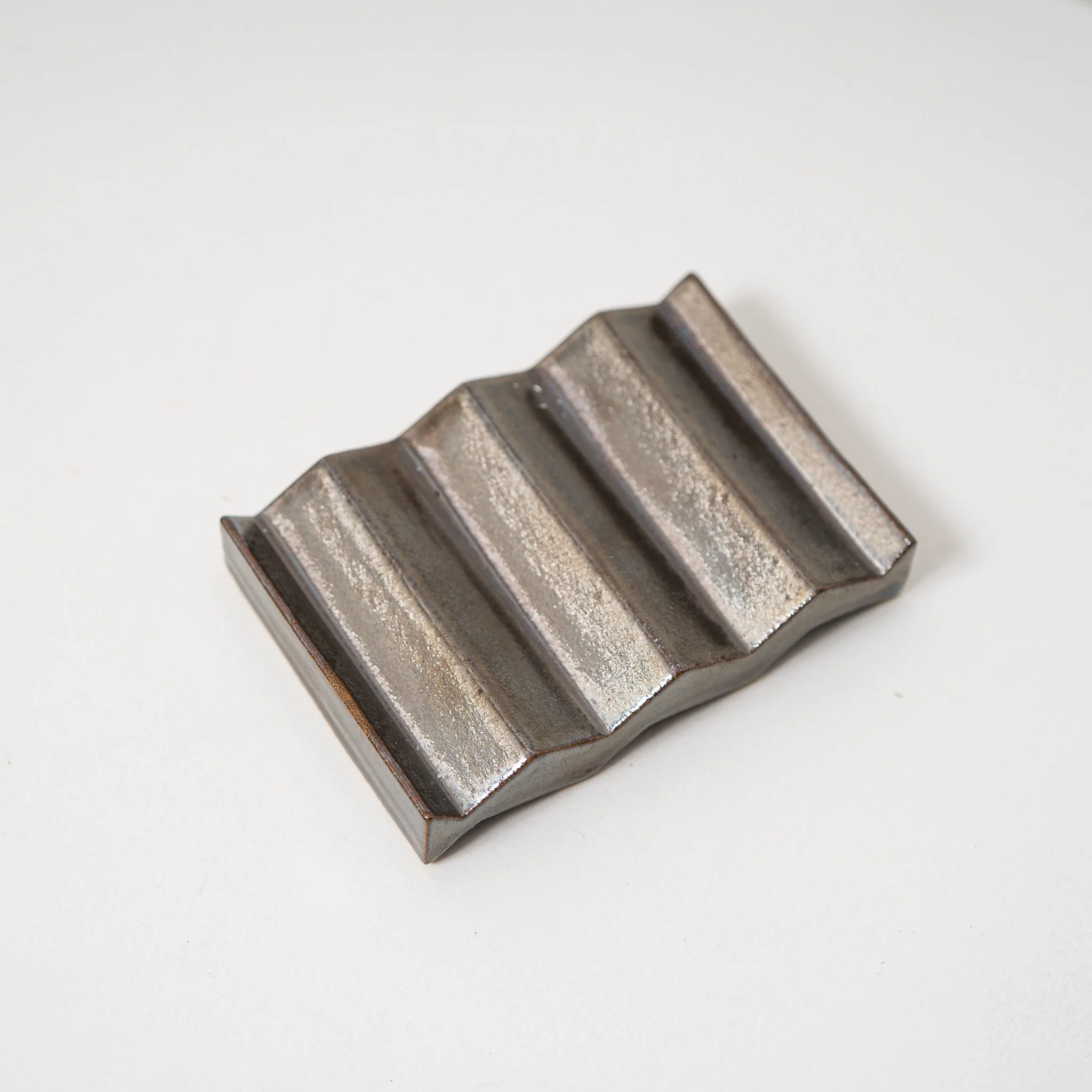
Handmade in Berlin and Fürstenwalde, Germany this soap dish is made from glazed stoneware and shaped with a raised zigzag profile. The geometric form allows water and air to circulate around the soap, helping it dry quickly. Its sculptural profile brings a considered detail to an everyday object.
